
MeRT for Autism: A Personalized Approach to Helping Your Child’s Brain Communicate Better
A non-invasive, drug-free therapy built around your child’s unique brain activity. Designed to ease sensory overwhelm, support communication, and build on the progress your child is already making. MeRT isn’t a cure, but for many families, it’s been a meaningful step forward worth exploring.

Board-Certified Neurologist

Personalized to Your Child’s Brain

Non-Invasive & Drug-Free

Veteran-Owned, Serving Fort Worth
Thinking About MeRT for Your Child?

Families come to this page for many reasons. Maybe communication has been slow to develop, or sleep has been a nightly struggle for years. Perhaps sensory overwhelm makes everyday outings hard, or social connection feels just out of reach. Whatever brought you here, you’re probably trying to figure out whether this is worth pursuing. And that’s a big decision to make without enough information.
MeRT® is a personalized, non-invasive therapy that helps different regions of the brain communicate more efficiently. For many families, that improved communication translates into real, noticeable changes. But every brain is different, and the only way to know how your child might respond is to start with information. That’s the purpose of this page: to give you enough to decide whether a conversation with our team makes sense.
What MeRT Actually Is
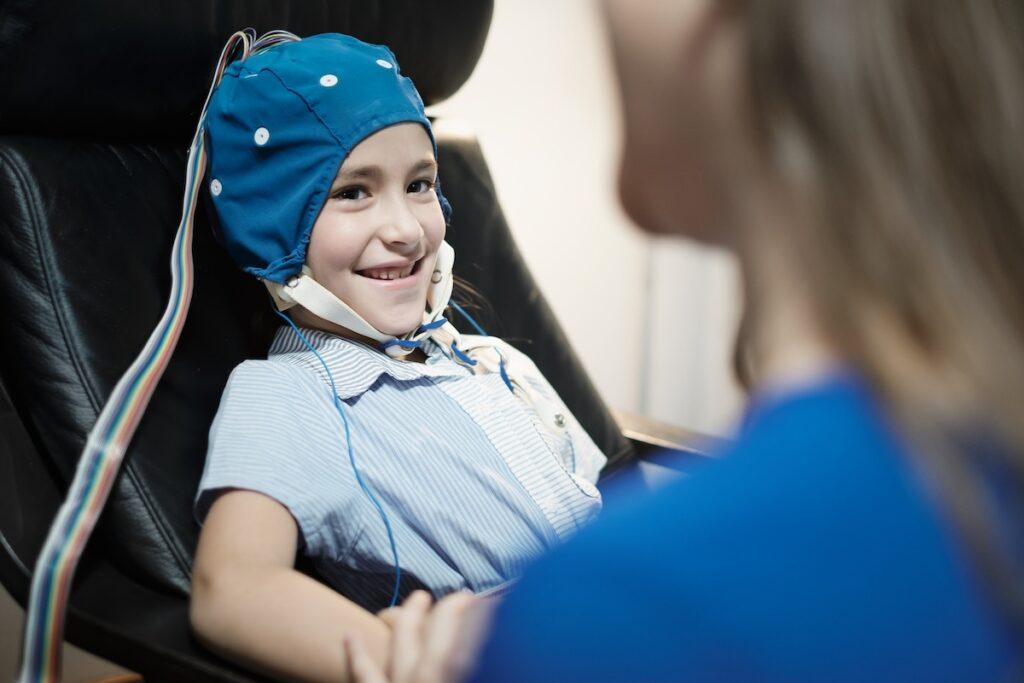
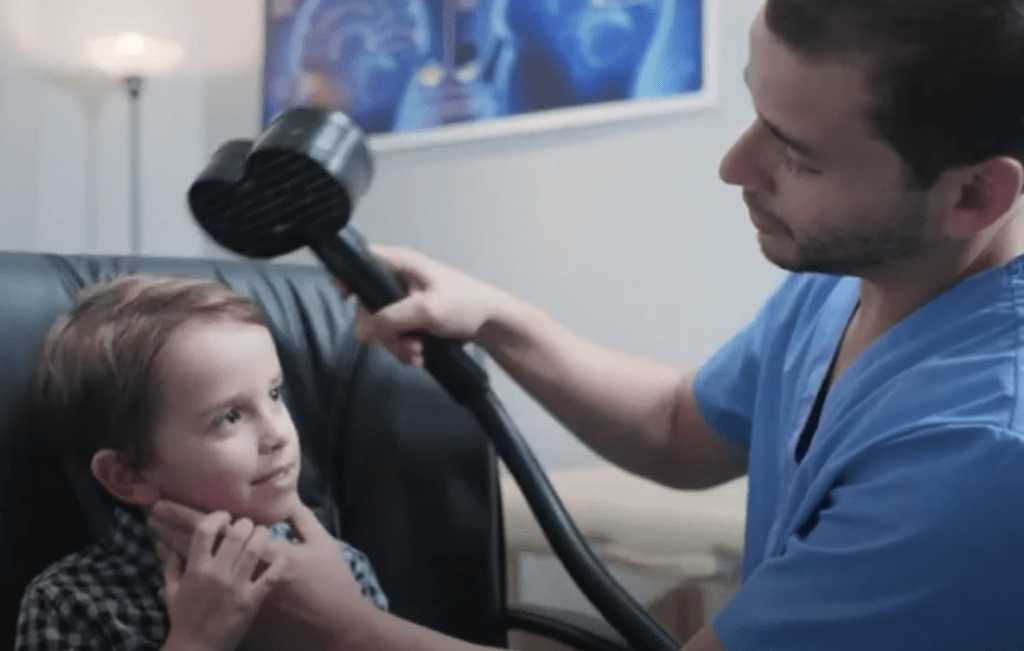
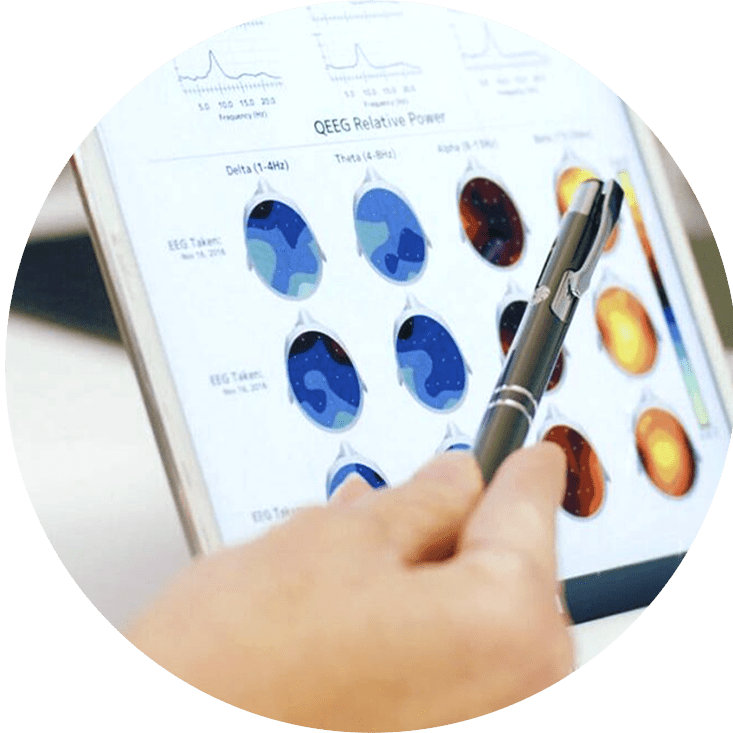
Magnetic e-Resonance Therapy (MeRT) starts with a qEEG — a painless brain scan that maps your child’s brainwave activity, similar to a weather map showing where things are calm and where they’re more turbulent. Based on that map, Dr. Miller designs a personalized magnetic stimulation protocol: gentle magnetic pulses targeted at the specific areas that could benefit most.
The treatment itself uses TMS (transcranial magnetic stimulation) equipment that is FDA-cleared for treating Major Depressive Disorder and OCD. For autism, it’s used off-label, meaning it’s an approach Dr. Miller applies based on clinical experience and emerging research.
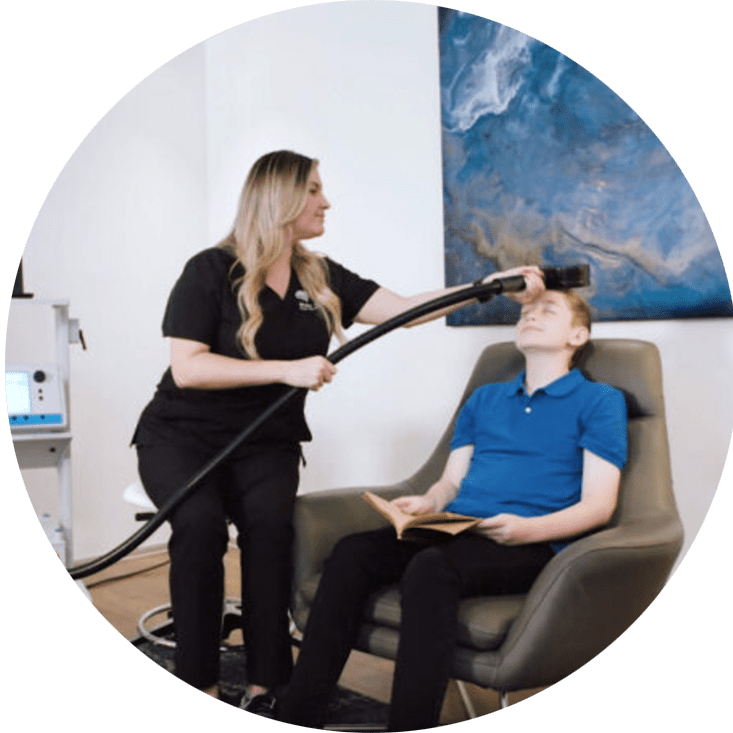
There are no medications, no sedation, and no recovery time. Your child stays awake and alert throughout each session, which typically lasts about 45 minutes to an hour.
What Families Often Notice

Every child is different, and we can’t promise specific results. But many families who’ve gone through MeRT have reported changes like:
- More eye contact and awareness of surroundings
- Improved sleep — falling asleep more easily and staying asleep longer
- Fewer meltdowns and reduced anxiety in new situations
- More expressive language and back-and-forth communication
- Less repetitive behavior (stimming)
- Greater comfort trying new foods, places, or routines
- Better follow-through on instructions and longer attention spans
- Increased effectiveness of other therapies, such as ABA or speech therapy
Results vary by individual, and MeRT works best as part of a broader plan that may include therapies your child is already receiving.
The Research, Condensed
A 2024 review of multiple studies examining TMS for autism found consistent improvements in repetitive behaviors and verbal and social functioning following treatment.
A 2025 study examined TMS targeting a brain region linked to rigid, repetitive neural patterns in autistic adults and found that reducing this rigidity was associated with measurable improvements in both social and non-social autistic traits.
Sleep-focused studies examined the alpha-rhythm-guided approach used in MeRT in children with autism and found improvements in sleep duration, fewer nighttime awakenings, and gains in quality-of-life measures across school, social, and emotional domains.
These studies point to a growing body of evidence, though more large-scale research is still needed.
Meet Dr. Miller
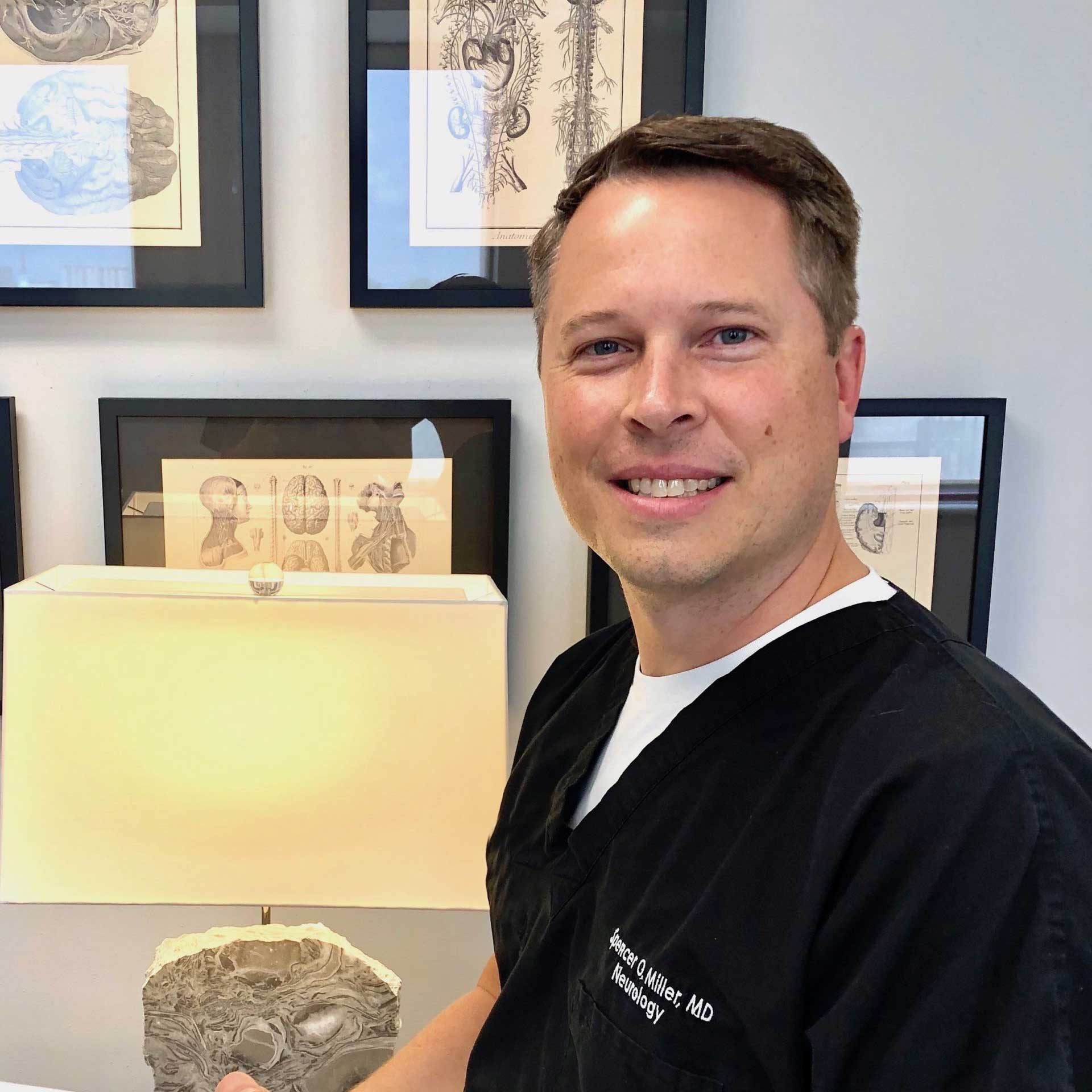
Dr. Spencer O. Miller is a board-certified neurologist and the Medical Director of Brain Treatment Center Fort Worth, as well as the Dallas and Plano locations. With 15 years in practice and an affiliation with Baylor University Medical Center, where he specializes in stroke, headache medicine, traumatic brain injury, PTSD, and seizure disorders, he brings deep clinical experience to every qEEG and treatment plan.
For over a decade, Dr. Miller has worked specifically with neurodiverse children, designing individualized MeRT protocols based on each child’s brain activity.
MeRT for Autism: What to Expect

Phone Conversation
Before anything else, you’ll talk with our New Patient Coordinator by phone. No pressure, no obligation, just a chance to ask questions, share what you’re noticing with your child, and learn what the process involves, including costs.
Testing & Consultation
If it makes sense to move forward, we’ll schedule a qEEG and EKG — both simple, painless, and about 45 minutes. A few days later, you’ll meet with Dr. Miller to go over the results and talk through whether MeRT looks like a good fit for your child.
Assessment Period
If you decide to start treatment, the first phase is a short course of treatment followed by a follow-up qEEG to see how your child’s brain is responding. This is where we start to get real answers about whether MeRT is working for your child specifically.
Ongoing Treatment
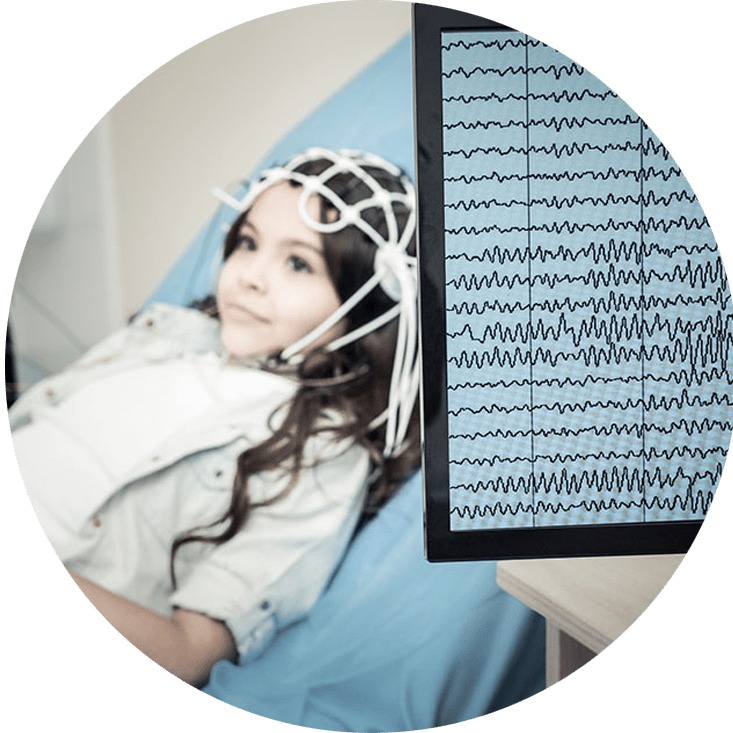
If the assessment shows a positive response, treatment continues in two-week increments, Monday through Friday, with sessions lasting about 45 minutes. A typical full course runs 6 to 8 weeks, with regular EEGs along the way to track progress.
Family Experiences
Mother of a child with autism
Parents of a child with autism
Mother of a child with autism
Parent of a child with autism
*Results shown are based on individual experiences and are not guaranteed. Results may vary.
Frequently Asked Questions
The TMS equipment used in MeRT is FDA-cleared for treating Major Depressive Disorder and OCD. For autism, it’s used off-label — a common and legal practice in medicine where a physician applies a cleared device to a different condition based on clinical experience and emerging research. Dr. Miller is upfront about this with every family.
MeRT is non-invasive and painless. Most children feel only a mild sensation during treatment. There’s no anesthesia, no needles, and no recovery time — your child stays awake and alert and can resume normal activities right after each session.
MeRT isn’t limited to young children. We work with children, teens, and adults on the autism spectrum, each with a treatment plan personalized to their own qEEG results.
Sessions run about 45 minutes, Monday through Friday, typically in two-week blocks. A full course usually lasts 6 to 8 weeks, though this can vary depending on how your child responds during the assessment period.
Costs depend on your child’s specific treatment plan. Our New Patient Coordinator can walk you through current pricing and answer questions about your situation. There’s no obligation to move forward after that call.
You’ll speak with our New Patient Coordinator, who can answer questions about your child’s situation, walk through how MeRT works, and explain next steps, including scheduling a qEEG if you decide to move forward. There’s no pressure and no commitment required.
Hope Begins With Information
We know that looking into a new treatment for your child can feel like a big step, especially when it’s something you don’t know much about yet. You don’t have to decide anything today. The first step is just a conversation.
Reach out to our New Patient Coordinator to ask questions, share what you’re seeing with your child, and find out whether MeRT might be worth exploring further. From there, the decision is entirely yours.
Or fill out the form below, and we will reach out to you within one business day.