
TMS Therapy for Depression
A non-invasive, FDA-cleared treatment for Major Depressive Disorder
Transcranial Magnetic Stimulation (TMS) is a drug-free, outpatient treatment that uses gentle magnetic pulses to stimulate areas of the brain involved in mood regulation.
TMS is FDA-cleared for Major Depressive Disorder and is often considered when other treatments have not provided adequate relief.
• FDA-cleared for depression
• No medications or anesthesia
• Non-invasive, outpatient care
• Neurologist-directed treatment in Fort Worth
What is TMS for Depression?
Transcranial Magnetic Stimulation (TMS) is a non-invasive treatment that targets specific brain regions associated with depression. Unlike medication, TMS does not affect the entire body or rely on daily drug use. Treatment is performed while you are awake and seated comfortably, and most people return to normal activities immediately afterward.
TMS has been FDA-cleared for depression since 2008 and is supported by extensive clinical research. It is commonly recommended for individuals who:
- Have not responded to antidepressant medications
- Experienced unwanted medication side effects
- Continue to struggle with symptoms despite therapy
A More Personalized Approach with EEG-Guided TMS
Not every brain functions the same way. For this reason, care at Brain Treatment Center Fort Worth may include EEG-guided TMS, an individualized approach that uses objective brain data to inform treatment planning.
Before treatment begins, a quantitative EEG (qEEG) is performed to measure brainwave activity. This helps identify patterns—such as asymmetry or disrupted communication between regions—that are commonly seen in depression.
Using this information, Dr. Miller can tailor aspects of TMS delivery, including stimulation location and frequency. This EEG-guided method is often referred to as MeRT® (Magnetic e-Resonance Therapy). MeRT is not a separate technology but a method for delivering FDA-cleared TMS with greater precision based on each patient’s brain data.
About Depression
Depression—also called Major Depressive Disorder or clinical depression—can range from mild to severe and may significantly affect daily functioning, relationships, sleep, and quality of life. It can arise after a specific life event or develop gradually without a clear cause.
Common symptoms may include:
- Persistent sadness, hopelessness, or emptiness
- Loss of interest in activities or relationships
- Sleep disturbances
- Fatigue or low energy
- Difficulty concentrating or remembering
- Anxiety or irritability
- Feelings of worthlessness or guilt
Depression is a serious medical condition, and effective treatment often requires more than willpower or time alone.
The Depression Treatment Process
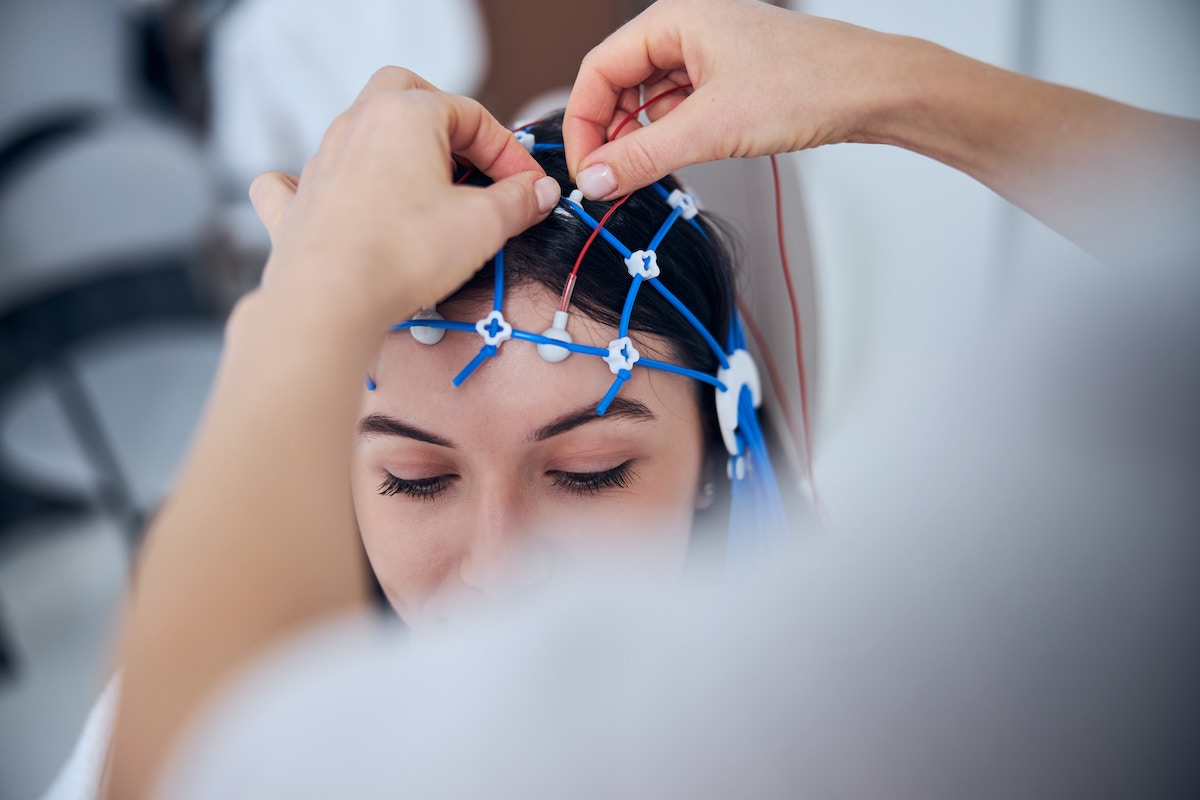
Evaluation
Care begins with a clinical evaluation and non-invasive testing, including a qEEG and EKG, to help guide treatment planning.
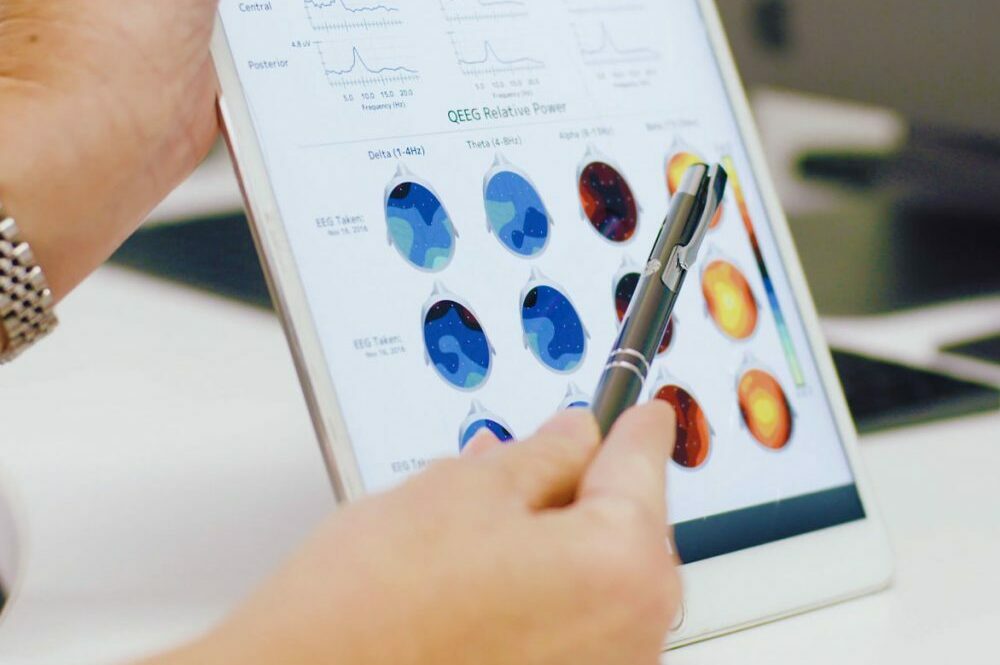
Treatment Planning
Based on clinical findings and brain data, an individualized TMS protocol is developed.
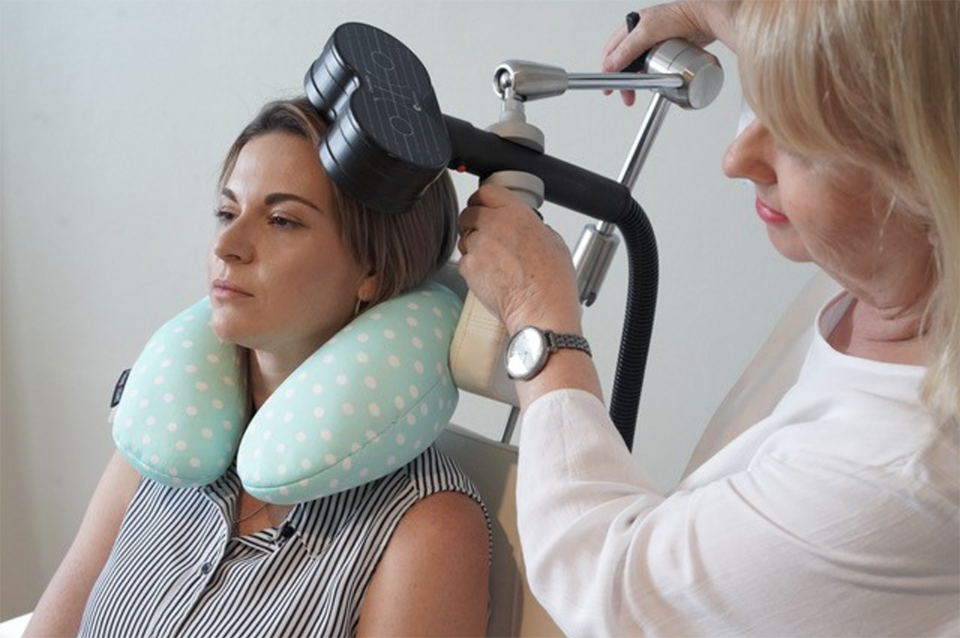
TMS Sessions
Treatment is delivered while you sit comfortably in a chair. Sessions typically last about 30 minutes and are well tolerated.
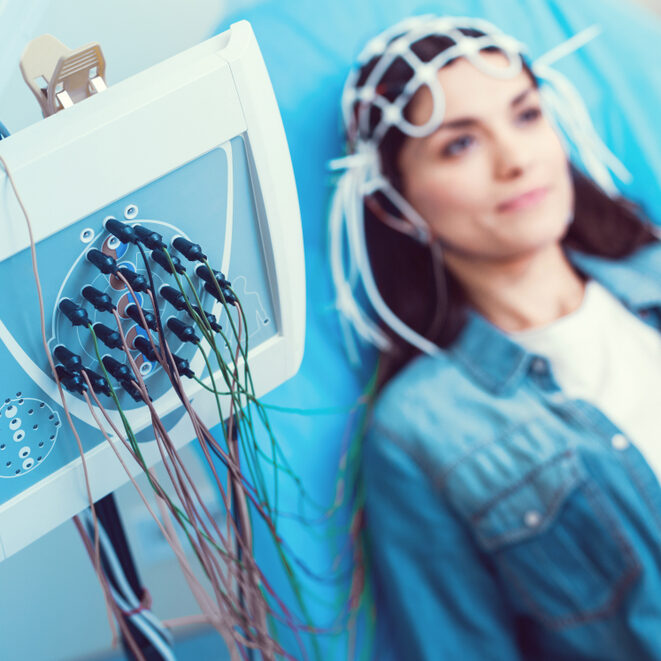
Ongoing Monitoring
We monitor progress throughout the course of care and may make adjustments based on clinical response.
Meet Your Neurologist
Dr. Spencer O. Miller is a board-certified neurologist and the Medical Director of the Brain Treatment Centers in Fort Worth, Dallas, and Plano. He has more than 15 years of clinical experience and oversees all treatment protocols at each location.
Dr. Miller served as a physician in the U.S. Air Force for five years, where he treated service members with complex neurological conditions, including traumatic brain injury and PTSD. His approach to care combines neurological expertise with data-guided treatment planning.
He is also affiliated with Baylor University Medical Center, where he specializes in stroke, headache medicine, traumatic brain injury, post-traumatic stress disorder, and seizures.
Research Supporting TMS for Depression
TMS is supported by decades of clinical research and multiple large-scale studies demonstrating its effectiveness in reducing symptoms of Major Depressive Disorder, including treatment-resistant depression. A selection of peer-reviewed studies and meta-analyses is provided below.
TMS Should Be Considered as First-Line Treatment For Moderate to Severe Major Depressive Disorder, in Psychiatric News, October 2022.
The article’s author, Richard A. Bermudes, reviewed a decade’s worth of studies on the effectiveness of TMS, and wrote this:
“As I read the [APA] guidelines recently and considered the number of new outcome studies conducted with TMS, I believe TMS should be considered, in addition to pharmacotherapy and psychotherapy, as a first-line treatment for patients with moderate to severe major depressive disorder.”
A retrospective chart review to assess the impact of alpha- guided transcranial magnetic stimulation on symptoms of PTSD and depression in active-duty special operations service members, 21 June 2024.
“This data provides a demonstration of significant reduction in PTSD and depression symptoms and safety with the application of a-rTMS in active-duty special operations military personnel. Expansion of targeted neuromodulation programs could be impactful for military and civilian populations.”
Efficacy of repetitive transcranial magnetic stimulation (rTMS) adjunctive therapy for major depressive disorder (MDD) after two antidepressant treatment failures July 2023.
“Several meta-analyses proved the efficacy of rTMS treatment in MDD, which is comparable to pharmacotherapy, and may have even better tolerability. Our results strengthened that rTMS is associated with clinically relevant antidepressant effect in TRD as well, and may be a beneficial tool in the add-on treatment of patients with TRD. Furthermore, rTMS adjunctive treatment to antidepressants was found to be specifically effective in achieving full remission.”
Transcranial magnetic stimulation (TMS) for major depression: a multisite, naturalistic, observational study of quality of life outcome measures in clinical practice, July 2013.
This study found: “Conclusion: These data confirm that TMS is effective in the acute treatment of MDD in routine clinical practice settings. This symptom benefit is accompanied by statistically and clinically meaningful improvements in patient-reported QOL [quality of life] and functional status outcomes.”
Transcranial magnetic stimulation (TMS) for major depression: a multisite, naturalistic, observational study of acute treatment outcomes in clinical practice, Carpenter et al, 2012.
This study found as its conclusion: “These data indicate that TMS is an effective treatment for those unable to benefit from initial antidepressant medication.”
Repetitive Transcranial Magnetic Stimulation for the Treatment of Resistant Depression: A Scoping Review. June 2022.
“Overall, 16 out of the 17 studies suggested that rTMS treatment was effective, safe and tolerated in TRD. For patients with TRD, rTMS appears to provide significant benefits through the reduction of depressive symptoms…”
The association between sample and treatment characteristics and the efficacy of repetitive transcranial magnetic stimulation in depression. Oct 2022.
“Data from nearly 3000 patients from 65 randomized controlled trials were included in this meta-analysis. rTMS was confirmed as efficacious in treating depression when looking at symptom reduction, response and remission.”
Efficacy of repetitive transcranial magnetic stimulation in treatment-resistant depression: the evidence thus far, August 2019.
“rTMS is rapidly gaining popularity as a treatment modality for depression. There is growing evidence to support its use in patients with depression as a monotherapy or as adjunct with pharmacotherapy. Additionally, rTMS has been found to be safe and effective in pregnant patients and elderly patients…”
Use of Transcranial Magnetic Stimulation for Depression, May 2019.
“The clinical efficacy of TMS as an antidepressant has been well established. TMS is an innovative and promising treatment modality for patients with TRD [treatment-resistent depression].”
Experimental depression treatment is nearly 80% effective in controlled study, October 28, 2021.
“In a double-blind controlled study, high doses of magnetic brain stimulation, given on an accelerated timeline and individually targeted, caused remission in 79% of trial participants with severe depression.
“A new type of magnetic brain stimulation brought rapid remission to almost 80% of participants with severe depression in a study conducted at the Stanford University School of Medicine.

TRICARE East / Humana Military Coverage
Brain Treatment Center FortWorth works with Humana Military – TRICARE East for FDA-cleared rTMS for Major Depressive Disorder.
Coverage depends on eligibility, diagnosis, and plan authorization. MeRT is not covered by insurance.
Patient Experiences
“My experience at the Brain Treatment Center was life-changing. I struggled through years of sleeplessness, constant worry, and struggle with everyday life. Halfway through my first treatment plan, my spirit revived.
“My loved ones, acquaintances, and people I met started to comment on my positivity and overall demeanor. I went from losing hope to cherishing every moment.“
John G.
“I just finished six weeks of their specialized form of TMS treatment, and it is life-changing. If your depression or anxiety has been resistant to medications, therapy, or other forms of treatment, I highly recommend the Brain Treatment Center.”
Mary Ann E.
“I felt like I was alone even though I was surrounded by love and care. It was just a cloud that would linger over my life every now and again. BTC helped me understand what was going on in my head, and after a month of treatment, I was grateful to be DEPRESSION FREE and MEDICATION FREE for the first time in my life.”
MeRT Patient
PatientIndividual results vary. Outcomes depend on diagnosis and clinical history.
Talk with Our New Patient Coordinator
Our New Patient Coordinator is available to answer questions, explain the treatment process, and help you decide whether TMS may be an appropriate option.
If you choose to move forward, she can assist with scheduling your evaluation and consultation—without pressure or obligation.
Call 817-477-6991
Or complete the form below to request more information.